Being a rental property owner can be a great investment. You have an asset that generates income, builds equity, and, with the right tenant, can be relatively hands-off.
Then there’s the other side of rental ownership that nobody puts in the glossy investment brochure: the tenant who stops paying rent or violates the lease.
And when that happens, being a landlord can suddenly feel like a second job.
The good news? That’s why we’re here.
A property management company like Houses and Then Some can step in when a tenant relationship goes sideways and take an unpleasant task off your hands.
What An Eviction Actually Looks Like
An eviction is not simply telling a tenant, “You need to move out.”
In South Carolina, a tenant may be subject to ejectment for reasons including failing to pay rent, the end of the tenancy, or violating lease terms. The process involves specific legal requirements and court procedures.
For example, if a tenant isn’t paying rent, a landlord must follow specific notice requirements before starting the eviction process. And if the issue is something other than unpaid rent, the tenant may have a certain amount of time to fix the problem before the lease can be terminated.
If the issue isn’t resolved, the landlord or their agent can move forward with the appropriate court process. A magistrate can issue a written rule requiring the tenant to vacate or show cause why they should not be evicted, and the tenant generally has a specific amount of time after service to respond.
In other words, there are steps, paperwork, deadlines, court procedures, documentation, and a lot of opportunities to ask yourself, “When does this end?” And if you are not careful, it’s easy to make mistakes.
This is where having a property manager can make a very unpleasant situation significantly easier.
Imagine this Scenario.
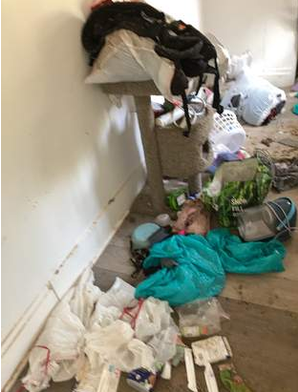
Imagine you own a rental home that you’re proud of. It’s well-maintained, in a good location, and has been a solid investment for you.
You find a tenant who seems great at first. The rent comes in on time, communication is easy, and everything seems to be going just fine.
Then, suddenly, the rent stops coming.
The tenant says they’ll catch up next month. Then next month rolls around, and still nothing. You start sending texts and making phone calls, trying to figure out what’s going on. Each time, you get another explanation and another promise.
Before long, you’re spending your evenings worrying about a property that was supposed to provide income, not add another item to your to-do list.
Eventually, you realize this needs to go beyond phone calls and promises. Now you’re trying to figure out which notices to send, which deadlines to meet, what documentation to keep, and what happens if the situation ends up in court.
And suddenly, you’re not just a property owner. You’re managing an eviction.
Or, you could have a property management company handling the situation for you.
That’s a very different experience.
This Is Where a Property Manager Earns Your Trust
At Houses and Then Some, property management means being prepared for the less glamorous parts of owning rental property, too.
When a tenant situation becomes difficult, having a professional between you and the problem can make a significant difference.
Instead of personally chasing down rent, figuring out what notice is required, navigating court procedures, and having uncomfortable conversations with a tenant, you have someone who understands the process and can help manage it.
Houses & Then Some has a team with over 100,000 hours of combined property management and real estate experience. We can help!
You Don’t Have to Be the Bad Guy
One of the biggest advantages of having a property manager is having someone else serve as the point of contact.
When a tenant is upset about a notice, the property owner doesn’t necessarily need to take the call.
When rent is late, you don’t have to be the one repeatedly asking when payment is coming.
When a lease violation needs to be addressed, you don’t have to deliver the message yourself.
That separation can make an uncomfortable situation much easier to handle.
You’re still the owner.
You’re still making the investment.
But you have a professional managing the day-to-day relationship.
And Then There Is What Happens After the Tenant Leaves
An eviction doesn’t necessarily mean the work is over.
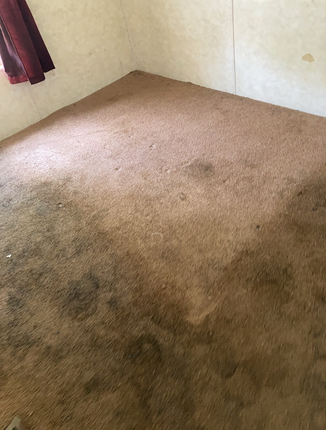
Once the property is back in the owner’s possession, you may need cleaning, maintenance, inspections, repairs, or other turnover tasks before the home is ready for its next tenant.
Again, that doesn’t mean the home was a bad property.
Rental homes experience normal wear and tear. Things need attention between tenants. That’s part of owning real estate.
The difference is whether you coordinate everything yourself or have a property management company help you manage the transition.
The goal isn’t to make a rental property look perfect for Instagram.
The goal is to maintain the property, protect the investment, and get it ready for the next qualified tenant as efficiently as possible.
A Bad Tenant Doesn’t Have to Become Your Problem
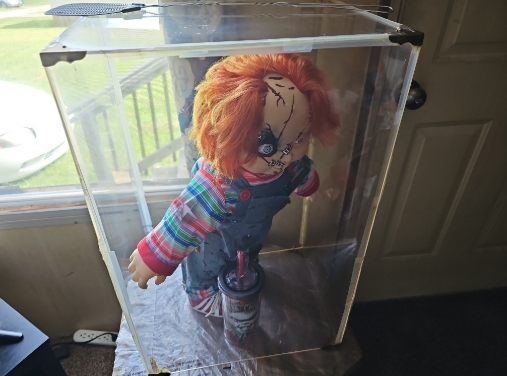
Every landlord hopes for the perfect tenant.
Someone who pays on time, takes care of the home, and renews the lease for years.
Sometimes that’s exactly what happens.
And sometimes it doesn’t.
That’s why professional property management matters.
A property manager’s value isn’t just collecting rent when everything is
going smoothly. It’s having someone who knows what to do when things aren’t going smoothly.
Because when you’re standing in your kitchen at 10 pm Googling “South Carolina eviction process,” you may wish you had handed the property management responsibilities to someone else a long time ago.
With Houses and Then Some, you don’t have to navigate those situations alone.